C语言
第641题
有以下程序段:
scanf("%d%d%d",&a,&b,&c);
if(a>b)a=b;
if(a>c)a=c;
printf("%d\n",a);
该程序段的功能是( )。
第642题
有以下程序段:
scanf("%d%d%d",&a,&b,&c);
if(a<b)a==b; if(a<c)a="=c;" printf("%d\n",a);
该程序段的功能是( )。
第643题
以下程序的功能是判断输入的一个整数是否能被3或7整除,若能 整除,输出YES,否则输出NO。在下划线处应填入的选项是 ( )。
#include <stdio.h>
main()
{
 int k;
 printf("Enter a int number:");
 scanf("%d",&k);
 if _____ printf("YES\n");
 else printf("NO\n");
 printf("%d\n",k%3);
}
第644题
有以下程序:
#include <stdio.h>
main()
{
 if('\0'==0)putchar('1');
 if('0'==0)putchar('2');
 if('a'>'b')putchar('3');
}
程序运行后的输出结果是( )。
第645题
有以下程序:
#include <stdio.h>
main(){
 int x;
 scanf("%d",&x);
 if(x>10) printf("1");
 else if(x>20) printf("2");
 else if(x>30) printf("3");}
若运行时输入:35<回车>,则输出结果是( )。
第646题
有以下程序段:
int a,b,c;
a=10;b=50;c=30;
if(a>b)a=b,b=c;c=a;
printf("a=%db=%dc=%d",a,b,c);
程序的输出结果是( )。
第647题
若变量已正确定义,有以下程序段:
int a=3,b=5,c=7;
if(a>b) a=b;c=a;
if(c!=a)c=b;
printf("%d,%d,%d\n",a,b,c);
其输出结果是( )。
第648题
以下函数按每行8个输出数组中的数据:
void fun(int *w,int n)
{
 int i;
 for(i=0;i<n;i++) {______ printf("%d",w[i]);}
 printf("\n");}
下划线处应填入的语句是( )。
第649题
有以下程序:
#include <stdio.h>
main()
{
 int x=1,y=2,z=3;
 if(x>1)
 if(y>x)putchar('A');
 else putchar('B');
 else
 if(z<x)putchar('C');
 else putchar('D');}
程序的运行结果是( )。
第650题
有以下程序:
#include <stdio.h>
main()
{
 int x=1,y=2,z=3;
 if(x>y)
 if(y<z) printf("%d",++z);
 else printf("%d",++y);
 printf("%d\n",x++);
}
程序运行的结果是( )。
第651题
有以下程序:
#include main()
{
 int x=1,y=0;
 if(!x)y++;
 else if(x==0) if(x)y+=2;
 else y+=3;
 printf("%d\n",y);
}
程序运行后的输出结果是( )。
第652题
在以下程序:
#include <stdio.h>
main()
{
 int a=1,b=0;
 if(!a) b++;
 else if(a==0)if(a)b+=2;
 else b+=3;
 printf("%d\n",b);
}
程序运行后的输出结果是( )。
第653题
有以下程序:
#include <stdio.h>
main()
{
 int x;
 scanf("%d",&x);
 if(x<=3);
 else if(x!=10)
 printf("%d\n",x);
}
程序运行时,输入的值在( )范围才会有输出结果。
第654题
若有以下程序
#include <stdio.h>
main()
{
 int a=1,b=2,c=3,d=4;
 if((a==2)||(b==1))c=2;
 if((c==3)&&(d==-1))a=5;
 printf("%d,%d,%d.%d\n",a,b,c,d);
}
则程序的输出结果是( )。
第655题
有以下程序
#include <stdio.h>
main()
{
 int a=0,b=0,c=0,d=0;
 if(a=1)b=1;c=2;
 else d=3;
 printf("%d,%d,%d,%d\n",a,b,c,d);
}
程序输出( )。
第656题
有如下程序
:#include <stdio.h>
main()
{
 int x=0x13;
 if(x=0x18)printf("T");
 printf("F");
 printf("\n");
}
程序运行后的输出结果是( )。
第657题
有以下计算公式:
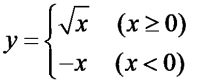
若程序前面已在命令行中包含math.h文件,不能够计算上述公式的程 序段是( )。
第658题
如有表达式(w)?(-x):(++y),则其中与w等价的表达式是 ( )。
第659题
若有定义:int x,y;并已正确给变量赋值,则以下选项中与表达式(x-y)?(x++):(y++)中的条件表达式(x-y)等价的是( )。
第660题
有如下嵌套的if语句:
if(a<b) if(a<c)k="a;" else="" k="c;" if(b<c)k="b;"
以下选项中与上述if语句等价的语句是( )。